


You built the app. You launched it. You got those first downloads and a spike of early excitement. And then... it plateaued.
If this sounds familiar, you're not alone. The vast majority of apps follow the same trajectory: an initial burst of momentum after launch, followed by a slow, frustrating stagnation. Understanding why this happens, and more importantly, what to do about it, is what separates apps that grow sustainably from those that quietly fade.
The below is a summary of a recorded app growth webinar we recently hosted that delves more deeply into the topic.
Your app should be driving growth across the business. Too often, it isn’t.
For many organisations, an app starts as a promising growth lever. It might be increasing engagement, improving customer experience, and opening up new commercial opportunities.
Then growth slows, which means that:
- Self-service adoption might start to slow, which might increase operational costs.
- You're losing opportunities to cross-sell, upsell, and drive loyalty for existing users.
- You're missing out on potential new customers and the opportunity to scale.
- Competitors are quietly gaining ground while your app growth plateaus.
The app landscape is brutal
App marketing is really tough. Competition on the app stores is fierce, with around 3,500 apps released every day across both stores, according to 42Matters. According to RevenueCat’s 2026 State of Subscription report, monthly subscription app launches have grown 7× since January 2022, and iOS now accounts for 77% of all new subscription app launches.
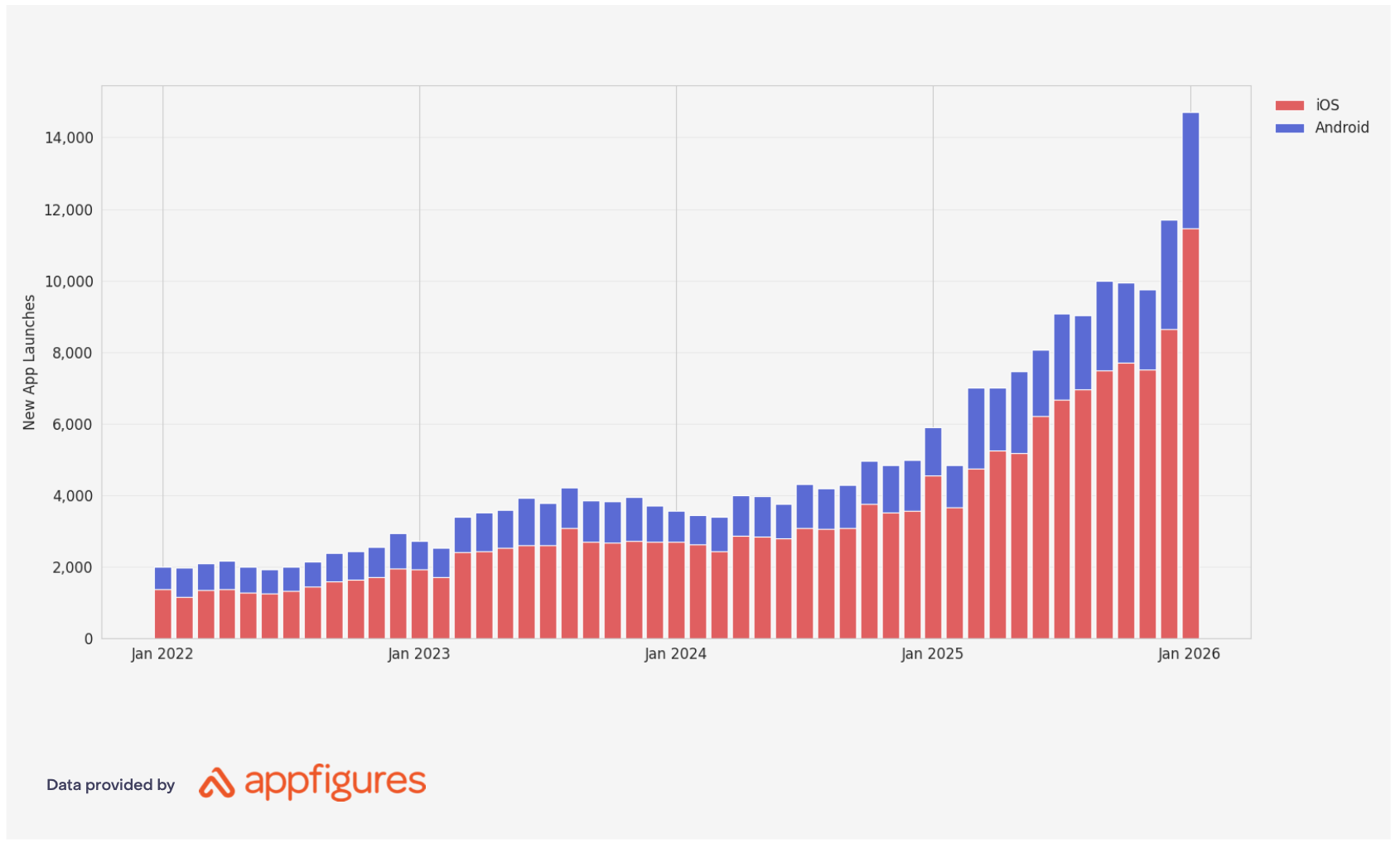
If you don't have a keen eye on growth and a robust strategy to measure and maintain that growth, it's very easy to quickly lose ground on competitors and fall behind.
According to the RevenueCat 2026 State of Subscription report, just 17% of new subscription apps reach £1,000 in monthly revenue, and fewer than 5% hit £10,000+.
This is the backdrop every app team is working against, and success doesn't happen by accident. It requires deliberate, data-informed decisions at every stage of the funnel.
The real reason app growth stalls
When growth slows, the instinctive response is to assume you have an acquisition problem. So you pour more budget into paid campaigns and ramp up marketing activity.
But this is a dangerous (and potentially very expensive) assumption to make.
Pouring more traffic into a weak funnel doesn't create growth. It increases wastage. If your onboarding converts poorly, if users aren't reaching their "aha moment", if your App Store listing isn't compelling enough to convert. More traffic just means more people experiencing all of those same problems at scale.
The real story behind stalling growth is almost always more nuanced, and it typically comes down to a combination of factors.
ASO becomes “set and forget”
ASO isn't a one-time task. Yet data shows that the majority of apps rarely update their app metadata (screenshots, description, and keywords. If you're not iterating, you're falling behind.
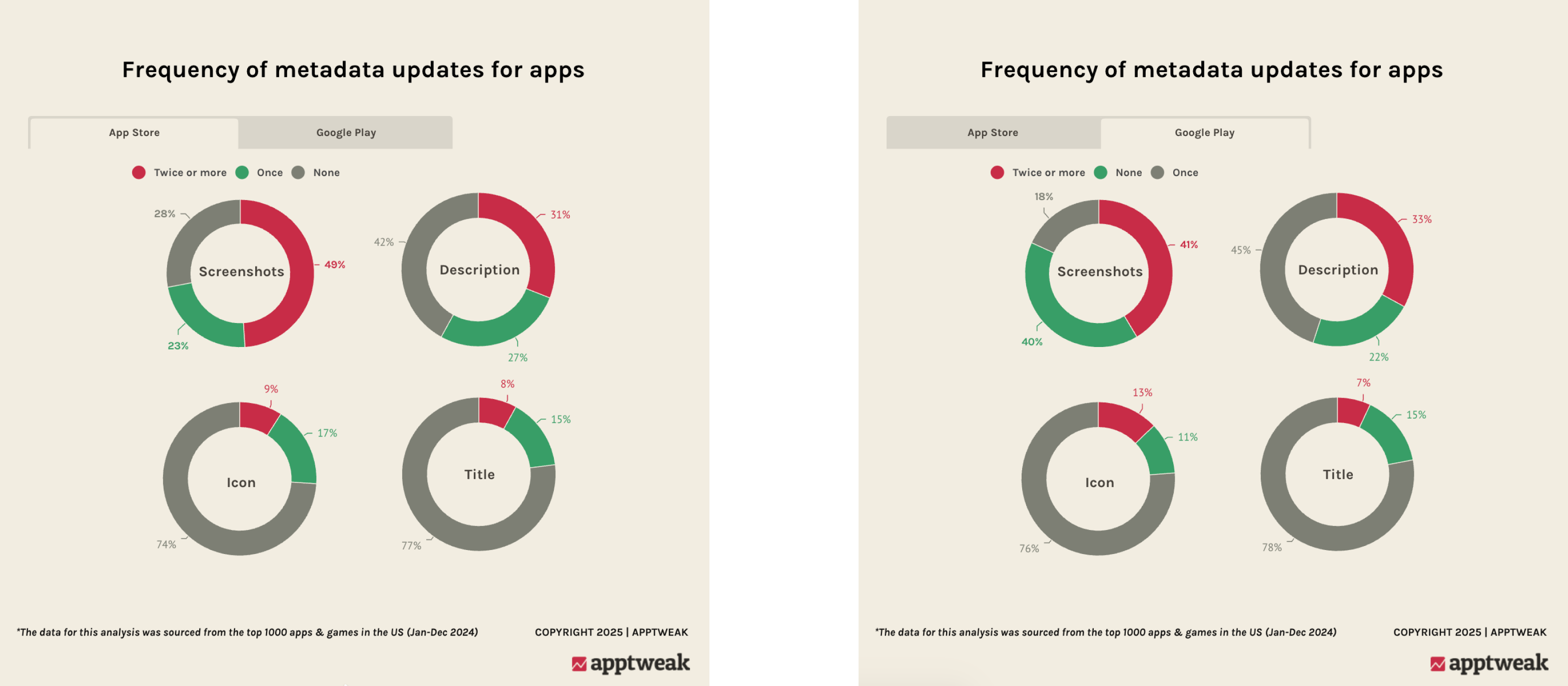
Teams scale spend before fixing conversion
Most apps aren't running A/B tests on their store listings at all. A 2024 study from AppTweak showed that 65% of iOS apps have never tested their screenshots. You wouldn't run paid ads to a website with a broken checkout process, so don't do the same with your app.
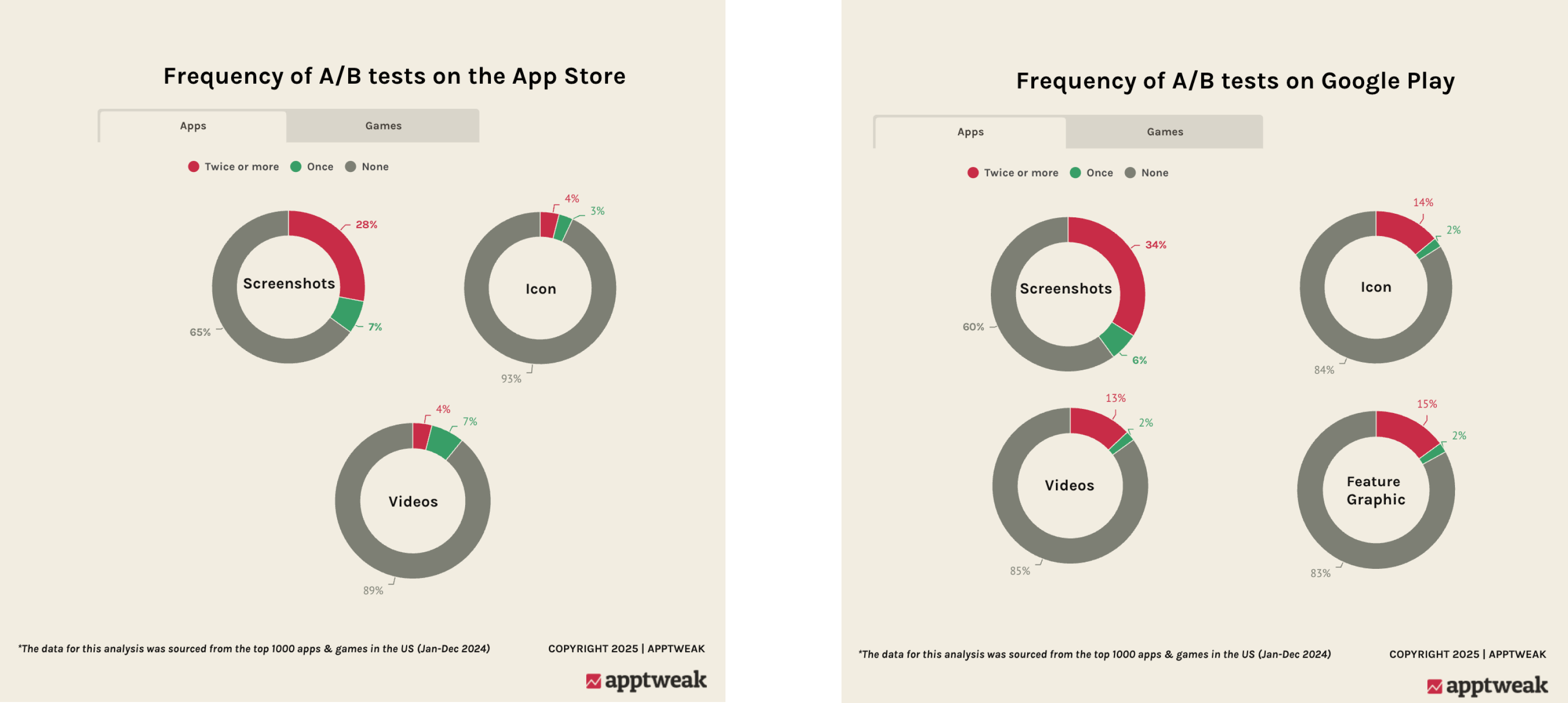
Retention gets neglected in favour of acquisition
Retaining existing users is dramatically cheaper and more effective than constantly trying to find a new audience. Yet most growth strategies are acquisition-heavy. Day 1 retention averages around 20-24% across Android and iOS. Day 30 retention drops to just 2-4%. These numbers can be improved, but only if retention is prioritised.
| iOS | Android | |
| Day 1 retention | 25.65% | 23.01% |
| Day 30 retention | 4.13% | 2.59% |
Source: Business of Apps
Behavioural signals are now core to ASO
Both the App Store and Google Play increasingly weight ranking signals based on user engagement, such as:
- Install-to-open rate
- Day 1 activation
- Feature adoption
- Deletion rate
- Retention
- Ratings & reviews
Even the most beautifully crafted app listing will struggle to gain traction if your UX is bad and user churn is high.
Ratings and reviews are being ignored
In 2025, both stores increased their weighting on:
- User sentiment
- Recency
- Review volume & velocity
- How quickly developers respond to reviews
Poor ratings don't just put off potential users; they actively impact your app visibility.
What high-performing teams do differently
The teams that sustain growth treat their app as a system, not a channel. They look across the full user lifecycle (acquisition, activation, engagement, retention, revenue) and they benchmark everything.
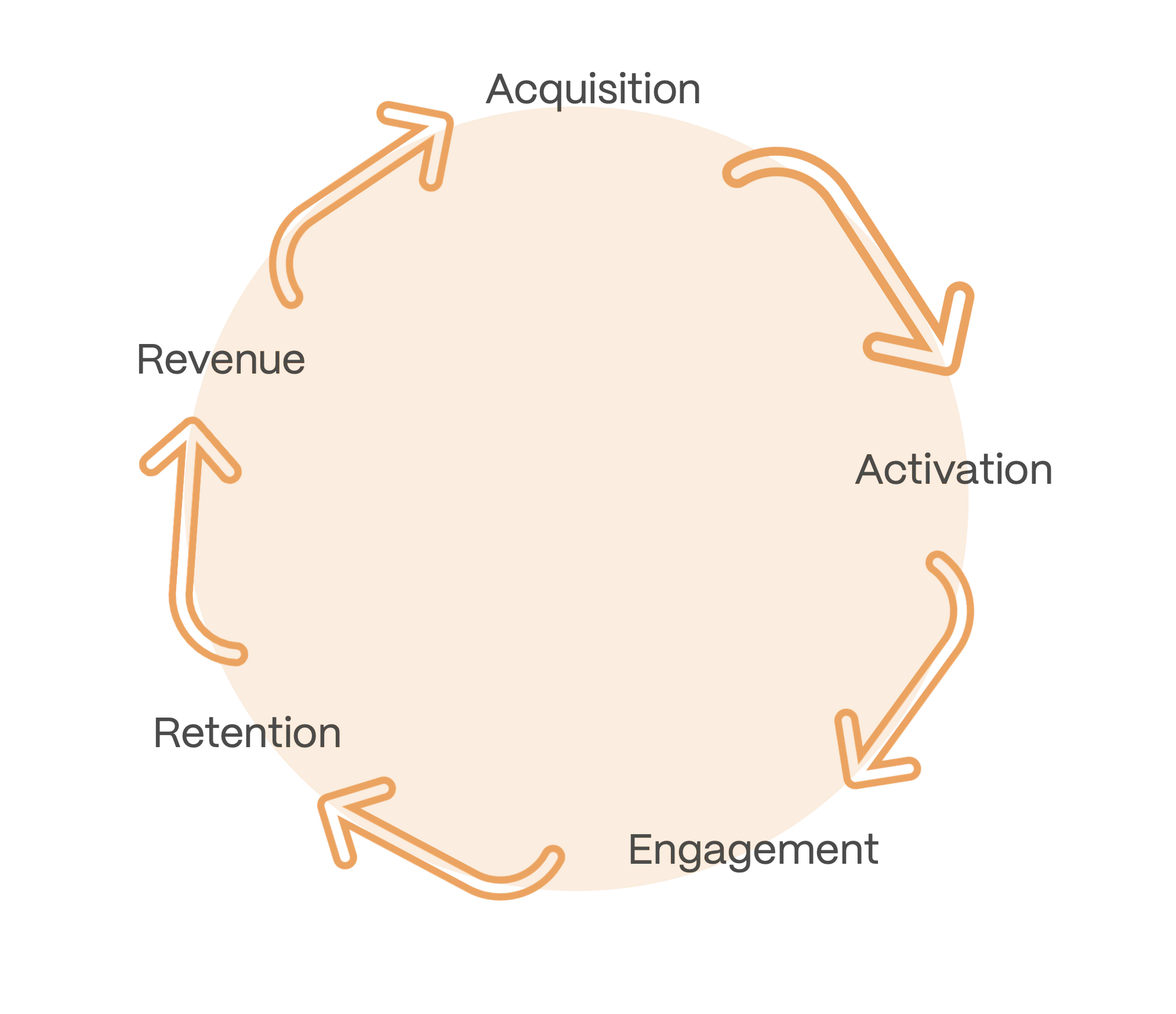
Here's a quick guide on how to approach each area.
Start with an honest assessment
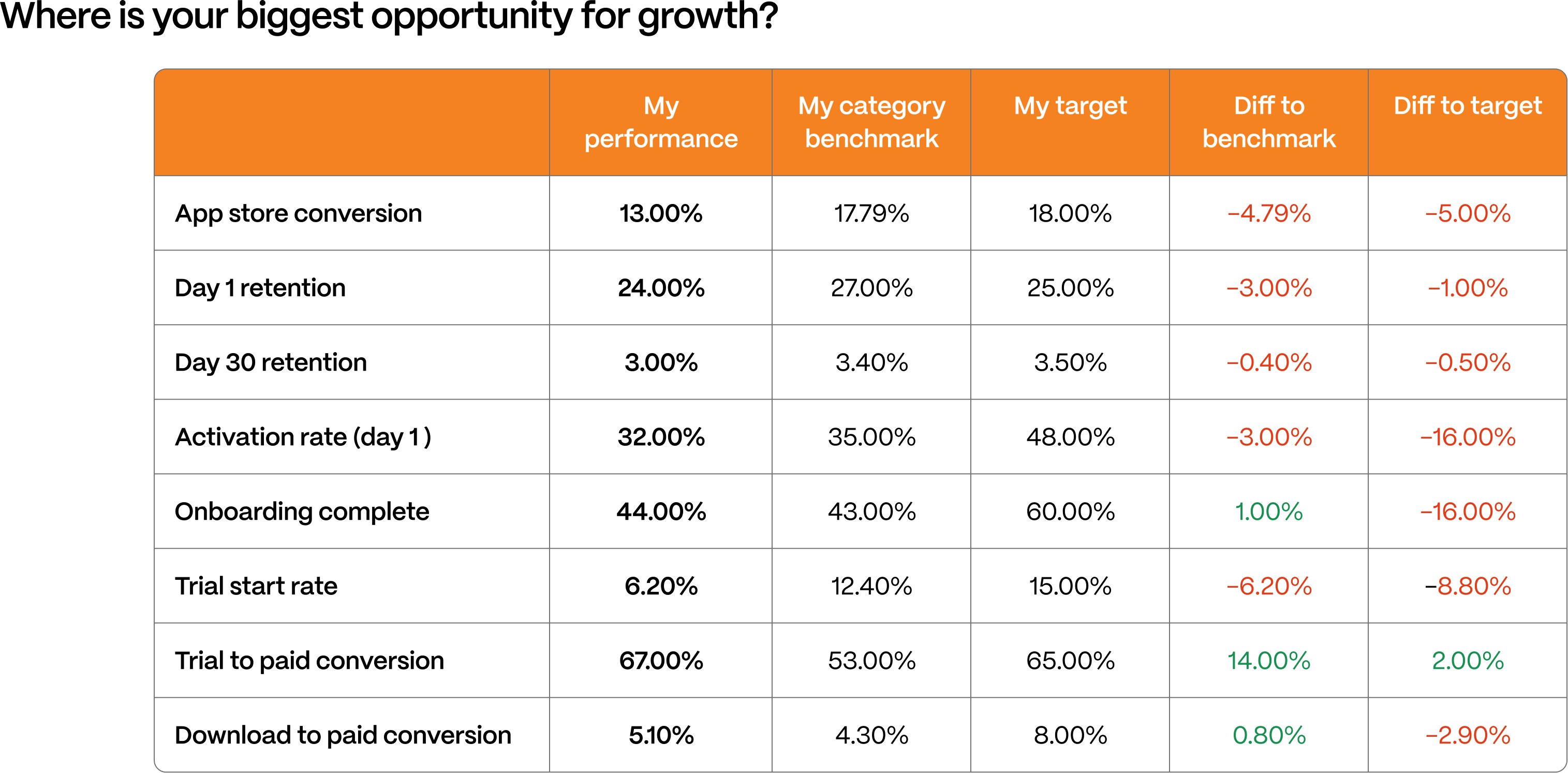
Before doing anything else, get to grips with your numbers. Map your current performance across key metrics and compare each against category benchmarks.
Here are some key metrics to track:
- App Store conversion rate
- Day 1 and Day 30 retention
- Activation rate
- Onboarding completion
- Trial start rate
- Trial-to-paid conversion
- Revenue per install
The gaps between where you are and where you should be will tell you exactly where to focus first.
Treat ASO as an ongoing programme
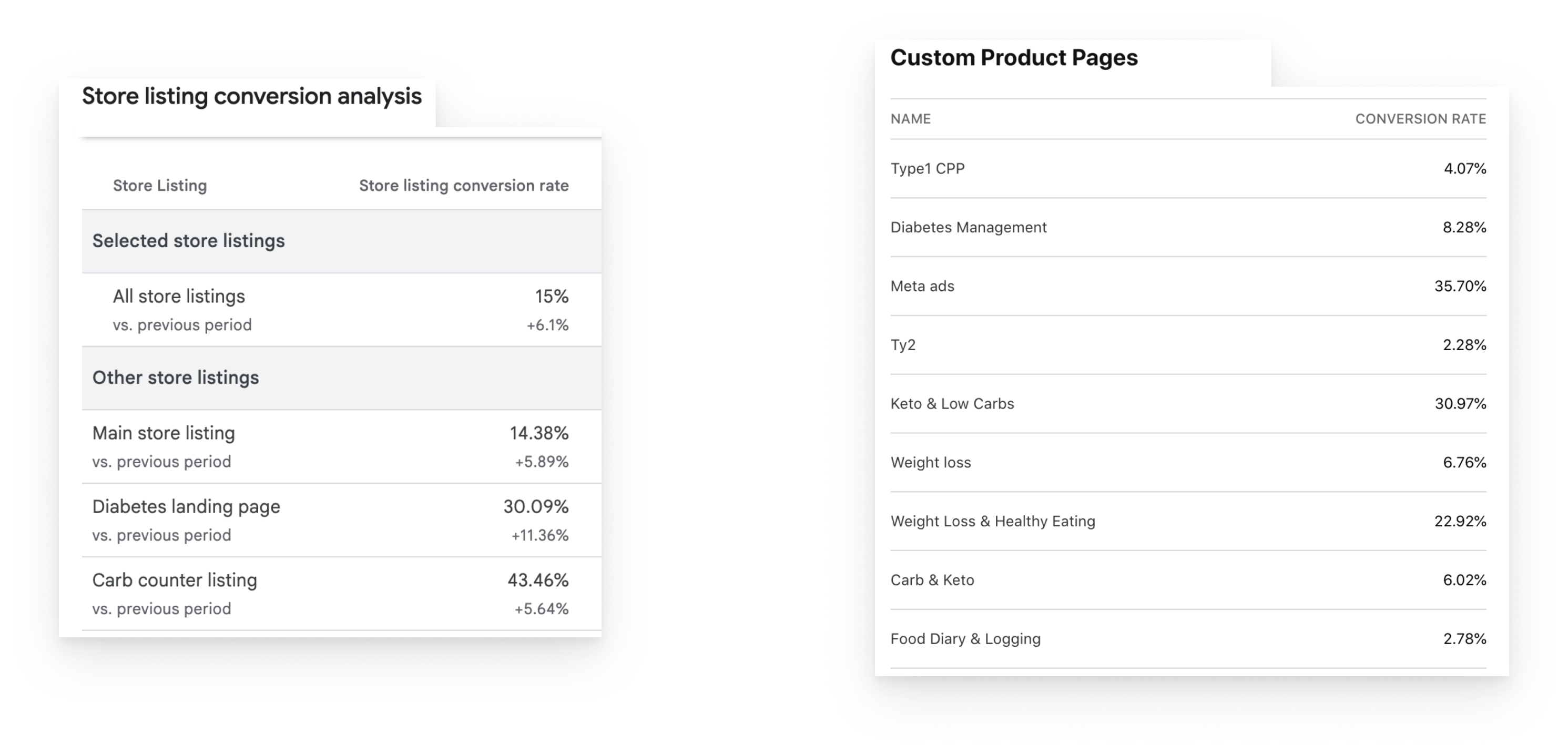
App Store Optimisation isn't a launch task. Revisit your keywords regularly, monitor competitor listings, and run A/B tests on your screenshots and descriptions. Custom Product Pages (iOS) and Custom Store Listings (Android) are a significantly underused conversion tool. Custom listings help you target different user segments with tailored messaging and can produce dramatically higher conversion rates than a single generic listing.
Fix onboarding before you start spending
According to a study by Glance, the first seven seconds of a user's interaction with your app can determine whether they ever come back. This mirrors broader UI/UX thinking, like the “5-second rule,” where users need to understand value almost instantly.
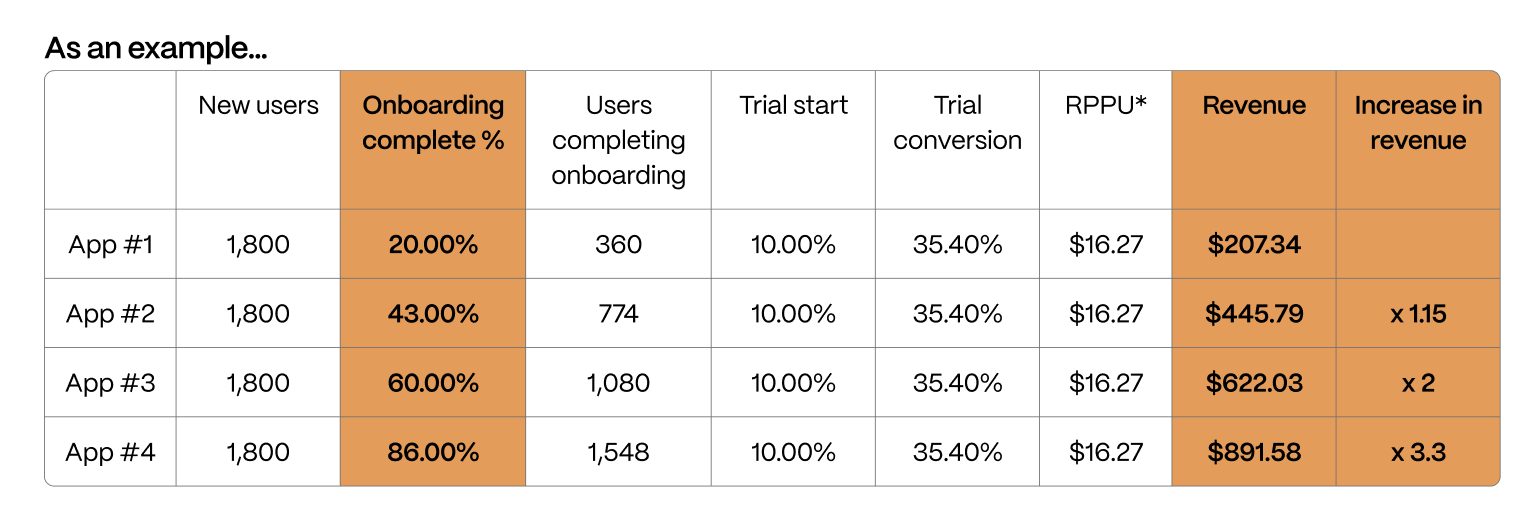
Onboarding completion has a direct, measurable impact on revenue. As an example, improving onboarding completion from 20% to 43% could more than double your revenue from the same volume of downloads, without spending an extra penny on acquisition.
Define and track your North Star Metric
A North Star Metric (NSM) is the single number that best captures the core value your app delivers to users. For Spotify, it's time spent listening. For Slack, it's messages sent within an organisation. For a fitness app, it might be the number of workouts completed per week.
When 20-40% of your active users are regularly performing your NSM, that's a strong signal of product-market fit. If that number is low or declining, it tells you something fundamental needs attention before you invest in driving traffic.
Use benchmarks and focus on improving retention
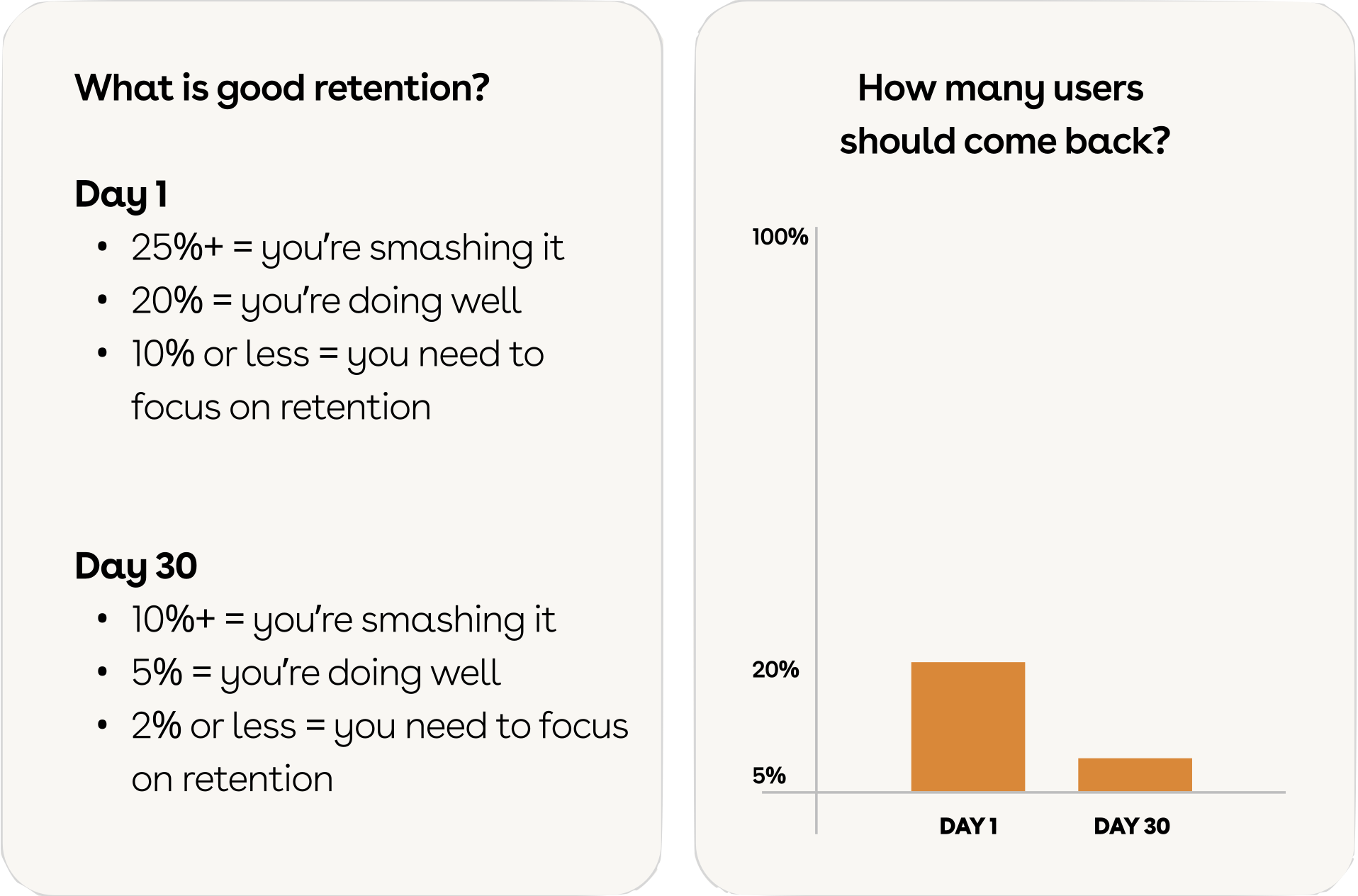
Good Day 1 retention sits at 25% or above. Good Day 30 retention is 10%+. If you're below these benchmarks, focus on understanding why users aren't coming back before doing anything else.
Push notifications, personalised re-engagement, in-app nudges, and re-onboarding flows for lapsed users are all worth investing in, but only once you understand the behavioural patterns behind your churn.
Optimise your pricing and paywalls
Many apps set their pricing once and never revisit it. But trial start rate, trial-to-paid conversion, and churn rate are all things you can improve through testing. Benchmark your pricing against your category: business apps command higher prices than gaming apps, for example, and annual plans consistently outperform monthly plans in terms of long-term revenue per user.
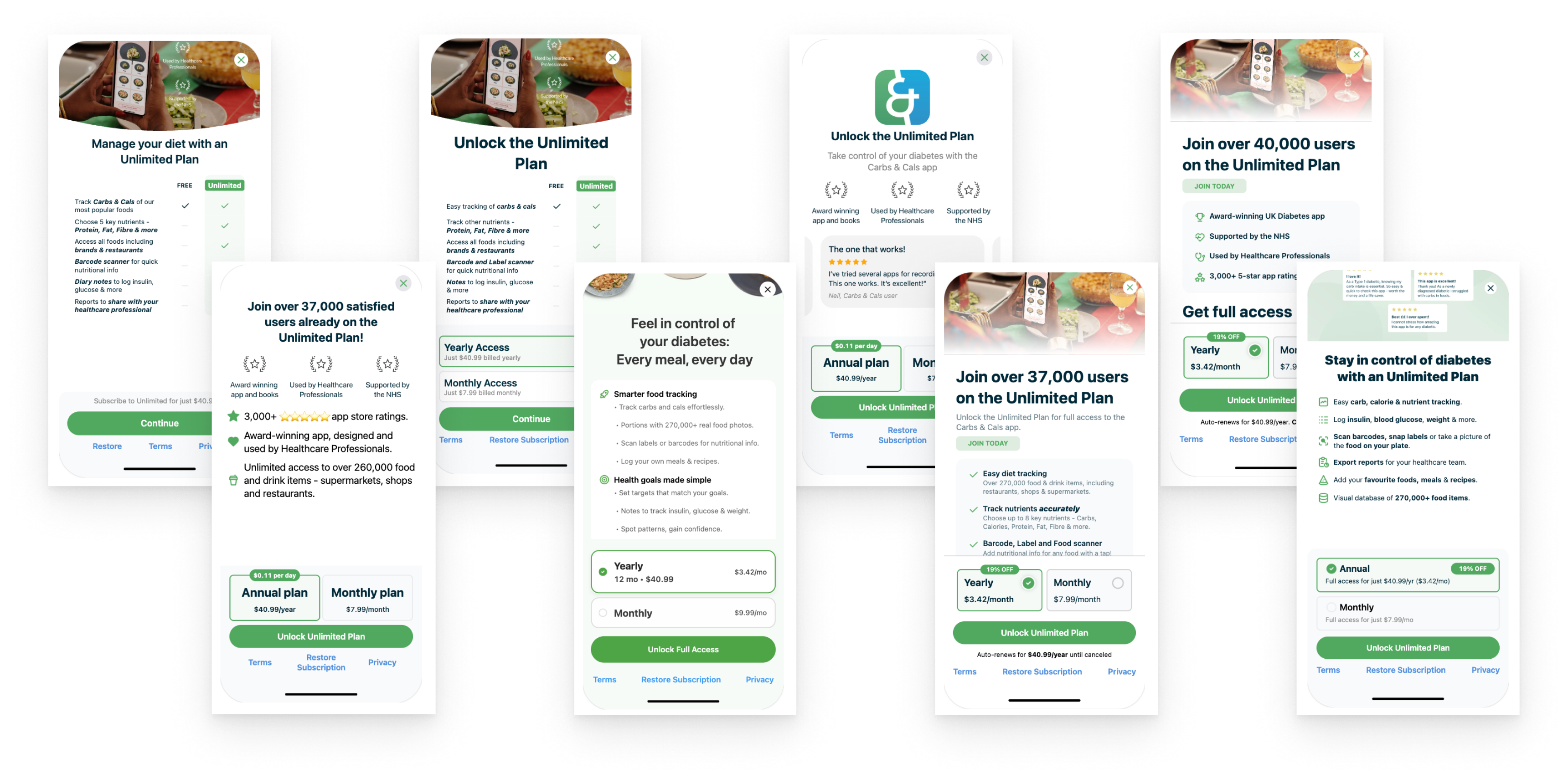
Test paywall layouts, messaging hierarchies, and price points. Small improvements here can have an outsized impact on revenue.



 2025 Pocketworks Mobile Ltd